

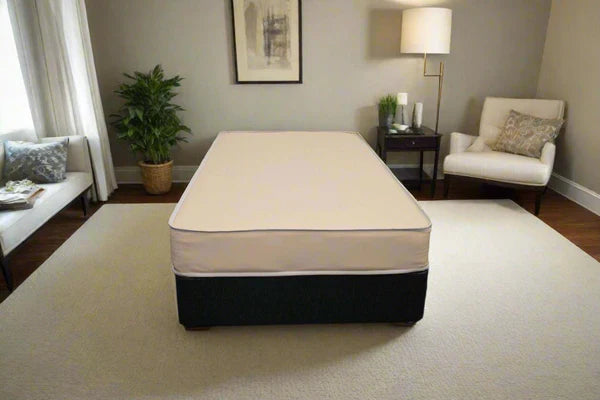
Night‑time incontinence is more common than many people realise. It can affect children, teenagers, new mums, people with medical conditions and older adults and it often brings worries about odour, stains and disruption to sleep. What you should not have to sacrifice is comfort or dignity.
Choosing the right mattress for night‑time incontinence is about building a sleep setup that quietly protects the bed, makes clean‑ups easier and still feels soft, supportive and luxurious. With the right combination of mattress, waterproof layers and washable covers, you can focus more on rest and less on “what if something happens tonight?”
For situations where extra protection is needed right in the mattress itself, a product like the DryShield™ style of bed from a specialist brand can be a helpful part of the solution.
Understanding what the mattress really needs to do
Before you look at specific products, it helps to be clear on the job you want the mattress to perform.
A good mattress for night‑time incontinence should:
- Provide proper back and joint support for the sleeper’s body
- Work with discreet protective layers that stop liquid from soaking into the core
- Handle occasional accidents without odour, staining or early breakdown
In most cases, you are not looking for a plastic‑feeling “hospital bed.” You are looking for a comfortable, long‑lasting mattress plus smart protection that nobody notices once it is made up.
Mattress vs protectors: who does what?
Think of your sleep setup in layers.
- The mattress
- Core job: support, pressure relief and long‑term comfort
- Focus on quality construction, firmness and materials that suit the sleeper’s needs
- The incontinence mattress protector
- Core job: form a waterproof or water‑resistant barrier above the mattress
- Should be breathable, quiet and soft so it does not change the feel of the bed
- The washable mattress cover or encasement (optional)
- Core job: fully encase the mattress for extra protection against spills, dust and allergens
- Often zips around the mattress and works under your usual fitted sheet
By letting the mattress do the comfort work and the protector do the moisture‑management work, you keep the bed feeling like a “normal” luxury mattress, not a piece of medical equipment.
Key features of a mattress for night‑time incontinence
When incontinence is part of the picture, the core mattress still needs to be chosen on its own merits.
1. Support and comfort first
- Choose firmness based on body weight and sleep position (for many adults, medium‑firm is a good starting point).
- Look for high‑quality support systems (such as pocket springs or dense foams) that keep the spine neutral.
- Ensure the mattress feels comfortable enough that the sleeper can relax quickly tension and anxiety can make night‑time leaks more likely.
A well‑made mattress paired with good protection will usually outlast a cheap “wipe‑clean” bed that is uncomfortable from day one.
2. Breathability and temperature control
Moisture and heat tend to go together.
- A breathable mattress core and comfort layers help prevent heat build‑up under waterproof covers.
- Pair with breathable, soft protectors and natural‑fibre sheets where possible.
Even when you use a waterproof mattress layer, good airflow reduces the risk of a hot, clammy feeling that can disturb sleep.
3. Materials that tolerate protection
Some people worry that protectors will “ruin” a luxury mattress. The key is compatibility.
- Choose a mattress that works well with a snug‑fitting incontinence mattress protector or encasement.
- High‑quality mattresses are built to perform under a protector; this is normal for many households with kids, pets or allergies not just incontinence.
As long as the protector is well made and fitted correctly, your mattress should feel just as comfortable while staying far better protected.
Waterproof mattress options in Australia: what to know
If leaks are frequent, you might consider going beyond a standard bed plus protector and look at a purpose‑designed waterproof mattress Australia options.
These may include features such as:
- Waterproof, wipeable outer surfaces that stop liquids reaching the core
- Built‑in barriers that protect the internal comfort and support layers
- Fabrics designed to be cleaned more easily than traditional quilting
The trade‑off is that fully waterproof outer shells can sometimes feel less “home‑like” if they are not paired with soft, breathable toppers and bedding. For many people, the ideal balance is:
- A comfortable, supportive mattress designed for everyday sleep
- A high‑quality, soft‑touch incontinence mattress protector or fitted waterproof layer
- Optional specialised products (like DryShield™‑style mattresses) in higher‑risk situations or care settings
Choosing an incontinence mattress protector
The protector is the quiet hero of this setup.
Look for:
- Waterproof yet breathable materials
- Many modern protectors use thin, flexible membranes that block fluid but still allow air to pass.
- Quiet, soft fabric tops
- Terry, cotton or knit surfaces that feel like a normal sheet under your bedding.
- Avoid stiff, crinkly plastic that rustles with every movement.
- Secure fit
- Deep skirts and elastic that hold the protector in place on the mattress.
- Corner straps or encasements that do not bunch or wrinkle.
A good protector should disappear into the bed—doing its job without drawing attention to itself.
Washable mattress covers and bedding strategy
When accidents happen, easy clean‑up keeps stress levels lower for everyone.
- Washable mattress cover or encasement
- A full encasement can protect against spills, dust and allergens.
- Choose one that is machine washable and can handle regular laundering.
- Layered bedding
- Consider a second fitted sheet and thin protector layered on top for children or frequent leaks, so you can strip the top layer quickly at night.
- Keep spare sheets and protectors stored together for fast changes.
- Practical laundry choices
- Use absorbent fabrics that wash and dry well.
- Have a small routine: quick rinse of soiled items, then regular hot‑wash cycle as care labels allow.
This approach keeps the mattress clean and the bedroom feeling calm and “normal”, even on tougher nights.
Preserving dignity and comfort
The emotional side of night‑time incontinence matters just as much as the practical side.
Helpful principles:
- Make the bed look like any other bed
- Use attractive bedding, quilts and cushions to create a welcoming, adult‑appropriate or age‑appropriate look.
- Hide waterproof layers under normal sheets.
- Use respectful language
- Talk about protection and comfort rather than “accidents” and “ruining the bed”, especially with older children, teens and adults.
- Reduce visible reminders
- Store spare protectors and cleaning supplies discreetly.
- Keep the focus on rest and recovery, not on the condition.
The right mattress and protection setup can help the sleeper feel cared for rather than singled out.
When to consider a specialised protective mattress
In some situations, a specialised product like a DryShield™ mattress may be worth considering:
- Frequent or heavy night‑time incontinence
- Limited mobility, where changing bedding is more complex
- Care settings where staff need fast, thorough cleaning
- Situations where odour control and hygiene are critical
These products are designed so that the mattress itself is highly resistant to fluid penetration, then paired with sheets, toppers and protectors to restore a softer, homely feel.
FAQs: mattress for night‑time incontinence
Do I need a special mattress for night‑time incontinence?
Not always. Many people do well with a high‑quality, supportive mattress plus a good incontinence mattress protector and washable mattress cover. A specialised waterproof mattress becomes more important when leaks are frequent, heavy or hard to manage.
Will a waterproof protector make my bed hot and noisy?
Modern protectors are much better than old‑style plastic covers. A good waterproof mattress protector should be thin, breathable and quiet, with a soft fabric surface that feels like a normal sheet once the bed is made.
How do I protect a luxury mattress from incontinence?
Use a high‑quality, snug‑fitting waterproof protector and, if desired, a full washable mattress cover underneath. Rotate and care for the mattress as recommended, and wash protective layers promptly after any leaks to prevent odour or staining.
How often should I replace protectors and covers?
It depends on use and washing frequency, but many households replace heavily used incontinence protectors every 1–3 years. If the waterproof layer cracks, peels or no longer beads water, it is time to replace it.


